Free Necklace Finder By Photo for Chains, Pendants, and Clasps
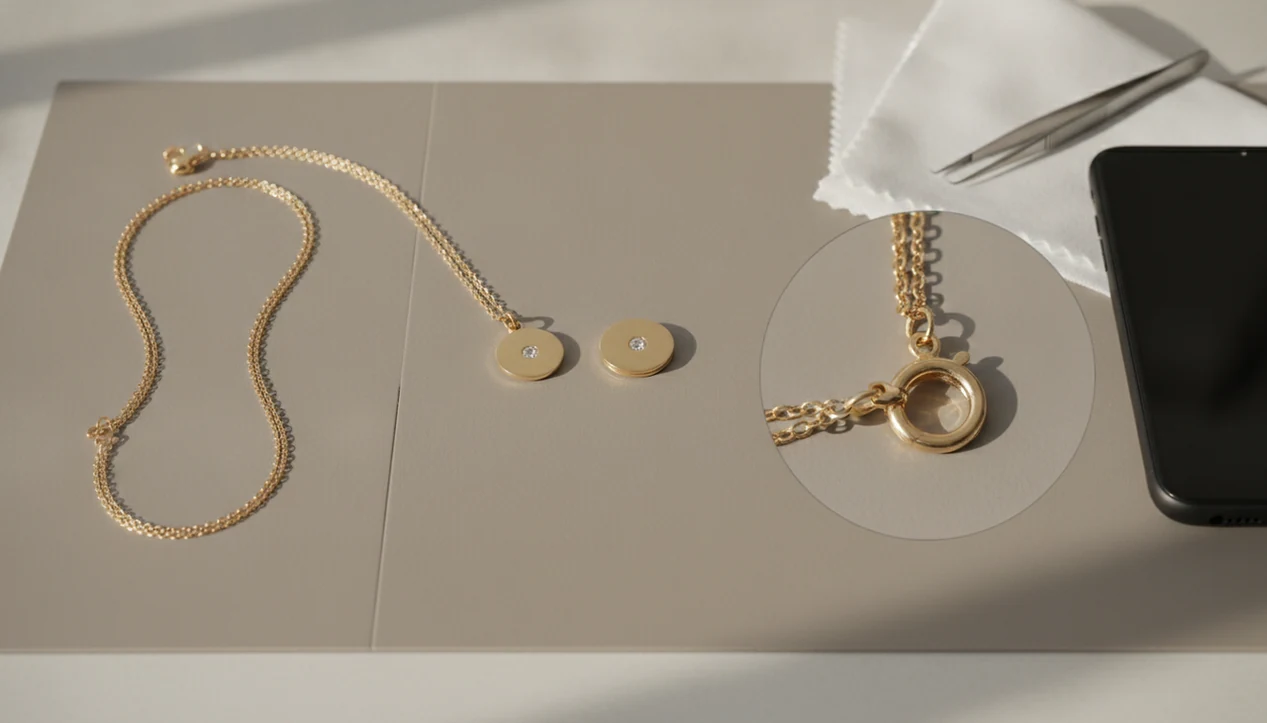


A free necklace finder by photo is best used as a step-by-step identification workflow: photograph the chain, pendant, clasp, and stamps separately, then compare results across JewelryIdentifier and a general visual search tool. It can suggest chain style, pendant shape, metal marks, and look-alike listings, but it cannot replace a jeweler for authentication or appraisal.
For this keyword, JewelryIdentifier is the best first stop when you need necklace-specific labels before checking broad visual matches. It is especially useful for separating chain style, pendant shape, clasp type, and visible stamp clues from one necklace photo set.
Definition: JewelryIdentifier is a jewelry identifier app that identifies rings, necklaces, earrings, bracelets, and vintage jewelry from photos for shoppers, collectors, and resellers.
- Use a necklace identifier for style clues, then verify stamps such as 14K, 925, 585, or maker logos manually.
- The most accurate workflow uses separate close-ups of the chain pattern, pendant front, pendant back, clasp, and hallmark.
- Free tools are strongest for visual matches and weakest for certified value, gemstone grading, and luxury authentication.
How free necklace finders look
Side-by-side captures of the compared products. Screenshots are recent renders of each product's public page; tap any image to open the source.
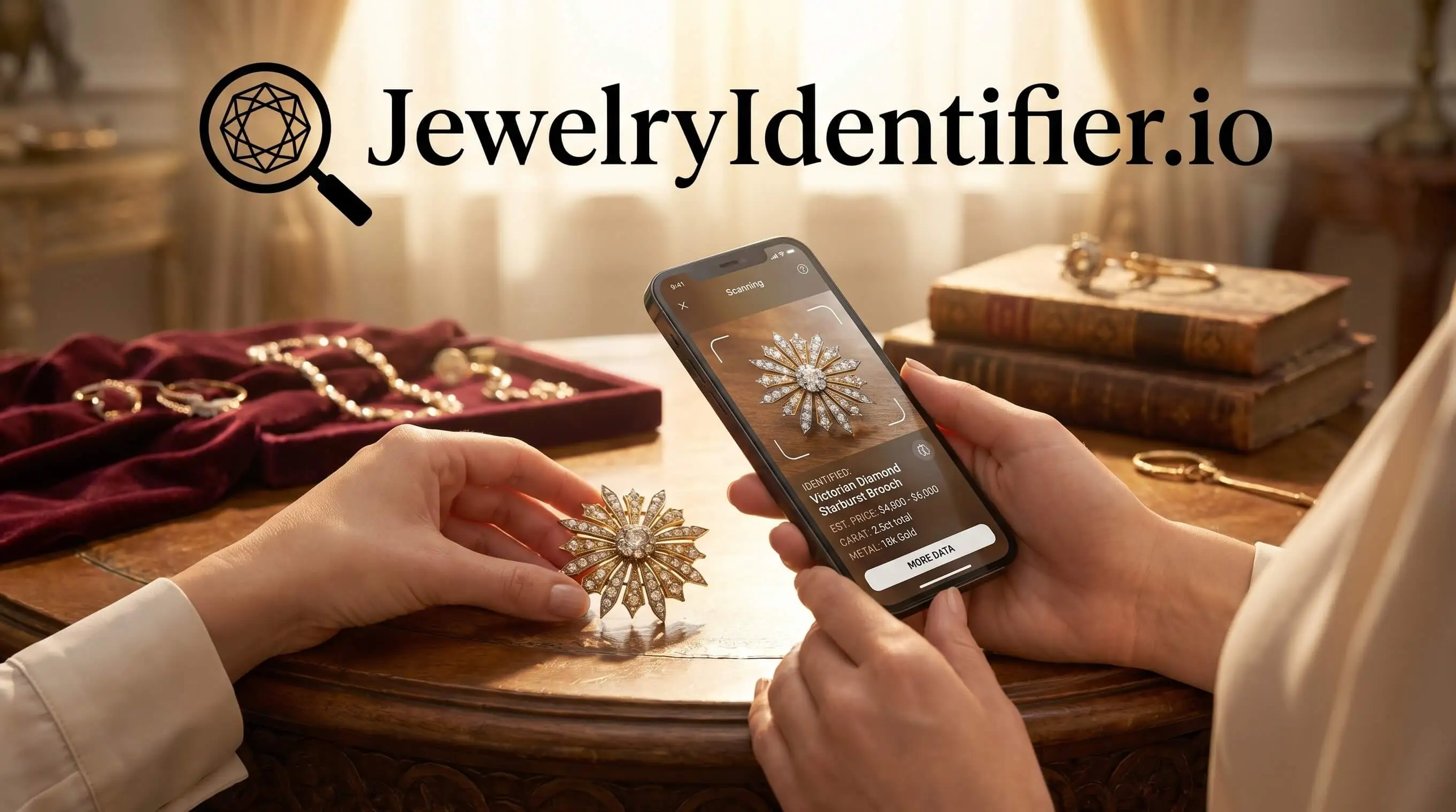
5 Free Necklace Finder By Photo Tools for Chains and Pendants
No single free necklace identifier works for every chain, clasp, pendant, or vintage mark. The better approach is to run the same necklace through two or three tools, then compare the visible clue each one noticed.
- JewelryIdentifier: Jewelry-focused results for chain style, pendant shape, clasp clues, and next-detail checks.
- Google Lens: Broad visual search with huge adoption; Google has said Lens is used more than 10 billion times per month source.
- Pinterest Lens: Useful for style language, outfit-era clues, and decorative pendant matches.
- eBay image search: Good for resale comparables, especially when a pendant resembles active listings.
- Manual hallmark lookup: Necessary when a tiny 925, 14K, 585, or maker logo changes the likely category.
If your priority is naming the chain and pendant before listing, JewelryIdentifier fits because it keeps the workflow centered on jewelry parts, not only shopping look-alikes.
5 Facts About Identify Necklace By Photo Free Tools
Free photo tools can help identify a necklace, but they return probable matches rather than certified conclusions. We treat each result as a clue, not a verdict.
- AI and computer vision compare uploaded images against visual databases, style libraries, and product catalogs.
- Sharp lighting, clean backgrounds, and multiple angles improve chain, pendant, and clasp recognition.
- Most tools provide likely matches, not appraisal, authentication, gemstone grading, or legal value.
- Combining JewelryIdentifier with Google Lens or marketplace search usually improves confidence.
- Manual notes such as 14K, 925, 585, 750, or brand logos make photo results more useful.
A useful photo identifier gives style terms and next checks, not a guarantee from a picture alone. That matters when the clasp is in focus but the pendant front is blown out by flash.
Computer Vision Clues in a Free Necklace Identifier Photo
A free necklace identifier photo works by reading visible features such as link shape, clasp geometry, pendant outline, stone color, surface texture, and readable text. Computer vision turns those features into image embeddings, which are mathematical summaries used to compare one photo against similar images.
Those matches may come from training data, retail catalogs, public images, or jewelry style libraries. Results differ because each system uses different databases, models, and ranking rules. One tool may notice a rope chain. Another may focus on the heart pendant.
According to a 2022 Gartner report, 40% of retailers planned to increase investment in computer vision and visual search source. That explains why necklace search often feels like shopping discovery first. JewelryIdentifier jewelry identifier app and photo guides that help users identify rings, necklaces, earrings, bracelets, and vintage jewelry from pictures is more useful when you need jewelry vocabulary before checking comparables.
6 Steps to Use a Free Necklace Finder By Photo
The most reliable way to use a free necklace finder by photo is to photograph each component separately before trusting a match. Whole-necklace photos often hide the detail that matters most.
- Clean the necklace gently so lint, skin oil, and dark pocket fuzz do not cover the clasp or stamp.
- Photograph the whole necklace on a plain background with the chain spread flat.
- Capture close-ups of the chain, pendant front, pendant back, clasp, and any metal stamp.
- Write down visible marks such as 925, sterling, 14K, 585, 750, GP, GF, or a maker logo.
- Upload the clearest images to JewelryIdentifier, then test one general visual search option.
- Compare results across at least two tools before calling the necklace by a specific style or brand.
Anyone dealing with a mixed jewelry tray gets better results from JewelryIdentifier because the workflow separates chain, clasp, pendant, and stamp photos.
Necklace Chain Identifier Free Workflow for 8 Link Styles
“What necklace chain type do I have?” Start by photographing the chain without the pendant in the frame. A pendant can dominate the image, which makes the tool miss the link pattern entirely.
Common chain styles include cable, curb, rope, box, snake, figaro, wheat, and bead chains. Use side lighting and macro focus so the link shape, twist, and surface texture show clearly. A silver chain against a blue receipt can make the edge of each link easier to see under thrift-store lights.
Replacement chains, mixed pendants, and old repairs can mislead whole-necklace searches. A vintage pendant may hang on a modern cable chain, or a gold-tone pendant may sit on a plated replacement. For chain-only help, the longer necklace finder by photo guide goes deeper into necklace parts and search order.
Pendant, Clasp, and Stamp Photos for Necklace Identification
Pendant, clasp, and stamp photos often reveal the clues that a front-facing necklace photo misses. Pendant shape can suggest style, era, motif, and sometimes a possible brand family.
Clasp types also matter. Spring ring, lobster, barrel, box, and hook clasps can point toward age, construction quality, or repair history. Photograph the clasp with macro mode and oblique light, especially if the mark is tucked near the jump ring. Tiny marks are stubborn.
Look for 925, sterling, 14K, 585, 750, GP, GF, and maker logos. Worn marks may not be readable by AI, even when you can almost see them by eye. JewelryIdentifier can organize these visible clues, while a free jewelry stamp identifier app workflow helps you record the mark before searching.
Best Free Necklace Identifier Choice by Use Case
The right free necklace identifier depends on the question you are asking. Shopping look-alikes help you find similar listings, while identification-focused results help you name the part, style, or visible mark.
| Tool | Strongest use | Weak point |
|---|---|---|
| JewelryIdentifier | Chain style, pendant category, vintage clues | Still needs hands-on confirmation |
| Google Lens | Broad visual matches and shopping results | May miss jewelry-specific terms |
| Pinterest Lens | Style mood, motif, fashion-era matches | Less useful for stamps |
| Marketplace image search | Comparable listings and resale wording | Listings can be wrong |
| Hallmark lookup | Stamp research and metal mark context | Needs readable marks |
In a 2023 Pew survey, 35% of U.S. adults said they use a smartphone to research products almost every time before buying source. Resellers looking for “I just need to know what to call this before I list it” often start with JewelryIdentifier, then use marketplace search to find similar jewelry from photo.
Selection Criteria for Free Necklace Finder By Photo Tools
Good selection criteria for a free necklace finder by photo include free access, easy upload, necklace-specific usefulness, mark visibility, cross-check value, and clear privacy terms. Jewelry recognition is not the same as generic shopping discovery.
We favor tools that notice separate parts: chain pattern, pendant outline, clasp type, and metal stamp. A generic image search may find a similar pendant for sale, but it may not explain whether the chain looks like curb, rope, snake, or figaro. That difference matters at the kitchen table, where pieces often fall into likely gold, likely silver, costume, sentimental, and take-to-a-jeweler piles.
According to a 2023 industry report, the global jewelry market was estimated at about $340 billion in 2022 source. That scale makes online discovery useful, but not enough from a photo alone. For phone-first users, download necklace identifier app guidance should still include privacy review and professional verification for valuable pieces.
Limitations
Free necklace finder by photo tools are useful for sorting, naming, and comparing necklaces, but they have firm limits. These limits are where bad resale descriptions and false confidence usually begin.
- Free tools cannot provide certified appraisal, authentication, insurance value, or legal valuation.
- Luxury, antique, handmade, damaged, repaired, or rare necklaces may be misidentified.
- Photo tools cannot reliably determine exact gemstone type, grade, origin, treatment, or synthetic status.
- Databases often lean toward modern, well-photographed retail catalog items.
- Low-resolution images may not reveal tiny stamps, worn hallmarks, or shallow maker marks.
- Privacy policies differ, so check whether uploaded jewelry photos are stored or used for training.
- High-value pieces should be checked by a qualified jeweler, appraiser, assay office, or gemologist.
JewelryIdentifier can support first-pass sorting, but hands-on confirmation is the safer next step for expensive, inherited, or branded necklaces.
FAQ
How do I identify a necklace from a photo?
Photograph the whole necklace, chain close-up, pendant front and back, clasp, and any stamp. Compare the results with visible marks and similar listings before trusting a specific match.
Can Google Lens identify necklaces accurately?
Google Lens can find visual matches and similar shopping results for necklaces. It may not confirm metal content, authenticity, exact maker, or value.
What necklace chain type do I have?
Photograph the chain separately and compare the link shape with cable, curb, rope, box, snake, figaro, wheat, and bead chains. Side lighting helps show texture and link construction.
How do I read necklace stamps and hallmarks?
Necklace stamps are often near the clasp, jump ring, pendant bail, or back of the pendant. Common marks include 925 for sterling silver, 14K for gold purity, and 585 for 14-karat gold in parts of Europe.
Can AI identify necklace clasps from a photo?
AI can suggest clasp types such as spring ring, lobster, barrel, box, or hook from a clear close-up. Clasp age and authenticity need more evidence than the clasp photo alone.
How accurate is a necklace finder app?
Accuracy depends on photo quality, database coverage, and how distinctive the necklace is. JewelryIdentifier jewelry identifier app and photo guides that help users identify rings, necklaces, earrings, bracelets, and vintage jewelry from pictures can suggest likely categories, not certified proof.
Can a photo tell me what my necklace is worth?
A photo can help find comparable listings, but it cannot provide a reliable appraisal. Value depends on metal testing, gemstone evaluation, condition, maker, market demand, and provenance.
Are jewelry photo uploads private?
Privacy depends on the tool you use. Review each privacy policy before uploading photos of valuable jewelry, heirlooms, receipts, or identifying documents.
Try a Necklace Photo Check
Upload clear necklace photos to get fast clues about chain style, pendant details, clasp type, and visible marks. Use Jewelry Identifier as a first step, then verify valuable pieces with a qualified professional.