
How Much Is My Necklace Worth? Weight, Stones, Maker, Age, and Condition
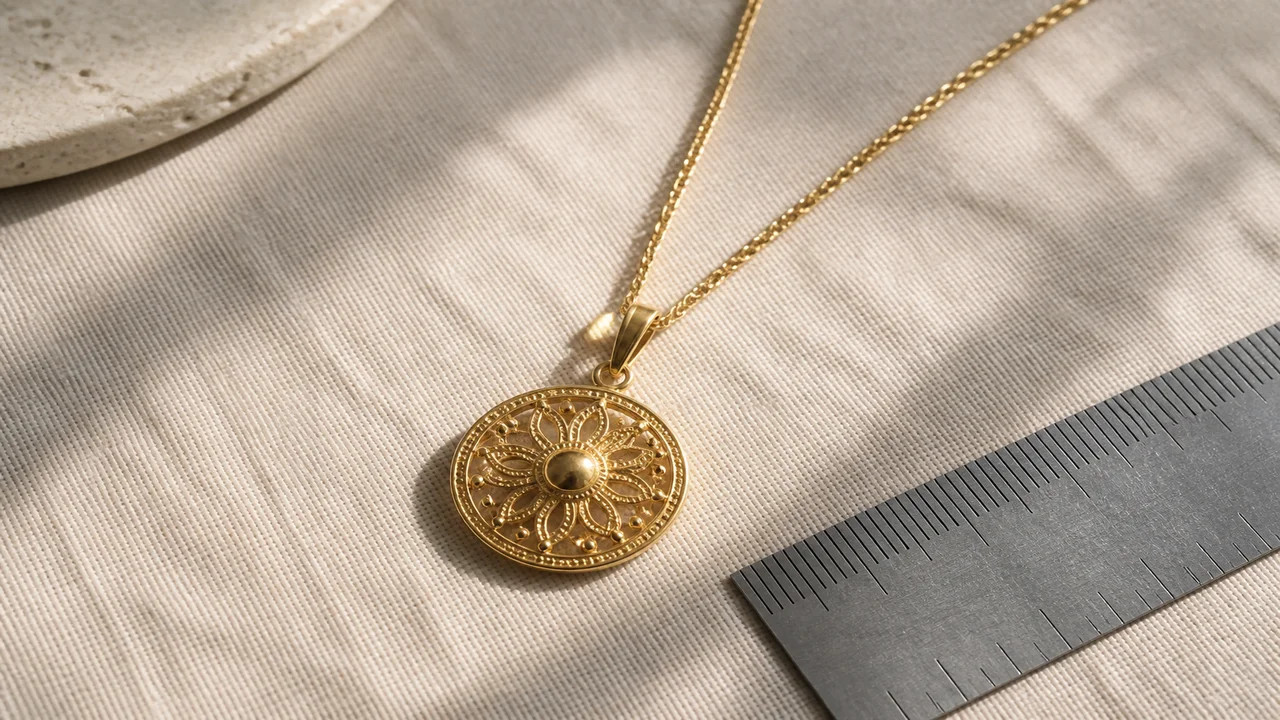
Necklace value can come from precious-metal content, gemstones, maker, craftsmanship, period, provenance, design demand, or a combination of these. Start by documenting the complete necklace—including clasp and pendant—then verify the claims that materially affect price.
Boundary: Jewelry Identifier is a photo identification aid, not a certified appraisal, assay, brand authentication, or laboratory grading service. Photo results cannot prove metal purity, gemstone species, age, or value.


Necklace Value Factors at a Glance
| Factor | Evidence | How it affects value |
|---|---|---|
| Metal and weight | Tested purity, grams, component notes | Creates a material-value baseline |
| Stones | Identity, dimensions, grade, condition | May dominate value or add little |
| Maker | Verified mark, serial, archive, provenance | Documented names can add premiums |
| Age and style | Clasp, links, construction, records | Collector demand varies by period |
| Condition | Wear, repairs, missing parts, stretching | Changes usability, originality, repair cost |
| Sale channel | Auction, dealer, marketplace, scrap | Buyer pool, fees, and guarantees differ |
Weight and Metal Content
Weigh the entire necklace in grams on a reliable scale, but do not multiply total weight by a metal price without adjustments. Pendants, stones, springs, steel findings, cords, enamels, and filled components can be included. Hollow links contain less metal than solid links of similar outside dimensions, and gold-filled or plated jewelry is not valued like solid gold.
- Photograph and transcribe metal marks near the clasp, tag, pendant bail, and pendant back.
- Record whether the chain and pendant appear original to each other and whether their marks differ.
- Note hollow, weighted, reinforced, repaired, or non-metal sections.
- Have important metal claims professionally tested rather than trusting color or stamps alone.
- Calculate any melt-style baseline only from verified net metal and appropriate purity.
Material value is a floor for some ordinary pieces, not the whole answer for signed, antique, artistic, or stone-set necklaces.
Stones and Pendants
A pendant can contain most of a necklace’s value, or it can be a decorative component with modest resale demand. Record the number, shape, measurements, setting, visible condition, and any reports for each important stone. Do not guess total carat weight from a photograph.
Color is especially unreliable in camera images because white balance, background, metal reflections, and filters change appearance. A blue stone may be sapphire, topaz, spinel, glass, synthetic material, or something else. A gemologist should identify stones when the distinction affects the estimate.
Photograph the pendant front, back, edge, bail, stone setting, and any removable or convertible mechanism. Glue, chipped girdles, replaced stones, and worn foil backing can change both condition and historical interpretation.
Maker, Brand, and Provenance
A signed necklace may attract buyers beyond its material value, but the signature must correspond with construction, date, and known mark formats. Initials are often shared by unrelated makers, and famous marks are copied. Boxes and receipts help only when they can be tied credibly to the necklace.
- Capture every logo, signature, copyright mark, country mark, model number, and serial without posting full private serials publicly.
- Check official brand services or reliable specialist references before claiming authorship.
- Preserve receipts, catalog pages, family records, repair invoices, and old photographs.
- Describe uncertain matches as “possible” or “attributed,” not authenticated.
A maker-mark identifier guide can help generate leads. It does not replace brand authentication.
Age, Clasp, and Construction Clues
Age estimates use a group of clues: clasp mechanism, chain construction, soldering, findings, hallmark system, motif, stone cut, wear, and documented history. A clasp may be replaced, and traditional mechanisms remained in use across long periods, so no clasp gives an exact date by itself.
Study barrel, spring-ring, lobster, box, hook, toggle, fold-over, fishhook, and older tongue-style closures. Our necklace clasp types and dates guide explains how to use them cautiously. For broader visual search, start with find necklace by picture.
Construction quality can add value when it reflects skilled handwork, but age alone does not. A mass-produced old necklace can be worth less than a well-designed modern one.
Condition Checklist
| Area | Check for | Potential impact |
|---|---|---|
| Chain | Stretched, kinked, thinned, or repaired links | Break risk and repair cost |
| Clasp | Weak spring, bent tongue, replacement parts | Security and originality |
| Stones | Chips, abrasions, looseness, replacements | Identity, beauty, and restoration cost |
| Surface | Plating loss, dents, enamel damage, polishing | Appearance and original finish |
| Pendant/bail | Cracks, solder, wear, incompatibility | Safety and whether parts belong together |
Do not hide defects when researching comps. A repaired clasp or missing drop can make an apparently similar sale unsuitable.
Sold Comps Workflow
- Create a specification using verified metal, weight, length, chain type, pendant, stones, maker, age range, and condition.
- Search completed auction records and sold marketplace listings; separate active asking prices.
- Compare like with like: signed with signed, tested with tested, complete with complete.
- Account for buyer premium, platform fees, restoration, reports, original packaging, and regional demand.
- Use several recent sales and explain why outliers were excluded.
- State the market and date beside the resulting range.
A dealer offer, auction estimate, insurance replacement value, scrap calculation, and private-sale price are not interchangeable.
What a Photo Can and Cannot Prove
| Can support | Cannot prove |
|---|---|
| Chain, pendant, clasp, motif, visible marks | Precious-metal purity |
| Approximate scale when a ruler is present | Accurate net metal or carat weight |
| Some wear, repairs, and missing parts | Complete internal condition |
| Maker and period research leads | Brand authenticity or exact date |
| Comparable design candidates | Gem species, grade, appraisal, or sale price |
When to Get a Professional Appraisal
Choose professional testing and appraisal for insurance, probate, equitable distribution, tax, donation, legal disputes, a valuable signed necklace, major gemstones, or a sale where an error would be costly. Ask for the appropriate value type and whether gem laboratory work or specialist authentication is needed.
Photo research is a useful first pass. It creates a better inventory and more precise questions. It is still an estimate, not an appraisal; compare the difference in app versus professional appraisal.
Frequently Asked Questions
Can I value a necklace from a picture?
A picture can support a preliminary category and comparable search, but verified metal, stones, weight, maker, condition, and market are needed for a useful estimate.
Does necklace weight determine its value?
Weight helps estimate material value after purity and non-metal components are known, but design, maker, stones, age, condition, and demand may matter more.
Does an old necklace have to be valuable?
No. Age alone does not create value. Rarity, maker, materials, condition, provenance, design quality, and collector demand are more important.
Should I clean a necklace before appraisal?
Use only gentle methods known to be safe for its materials. Avoid dips, ultrasonic cleaners, harsh chemicals, and polishing that may damage stones, plating, patina, or evidence.
Is a photo estimate an appraisal?
No. Jewelry Identifier and photo research are not certified appraisal or laboratory grading. Formal decisions require qualified professional review.