App That Can Identify Maker Marks on Jewelry Photos
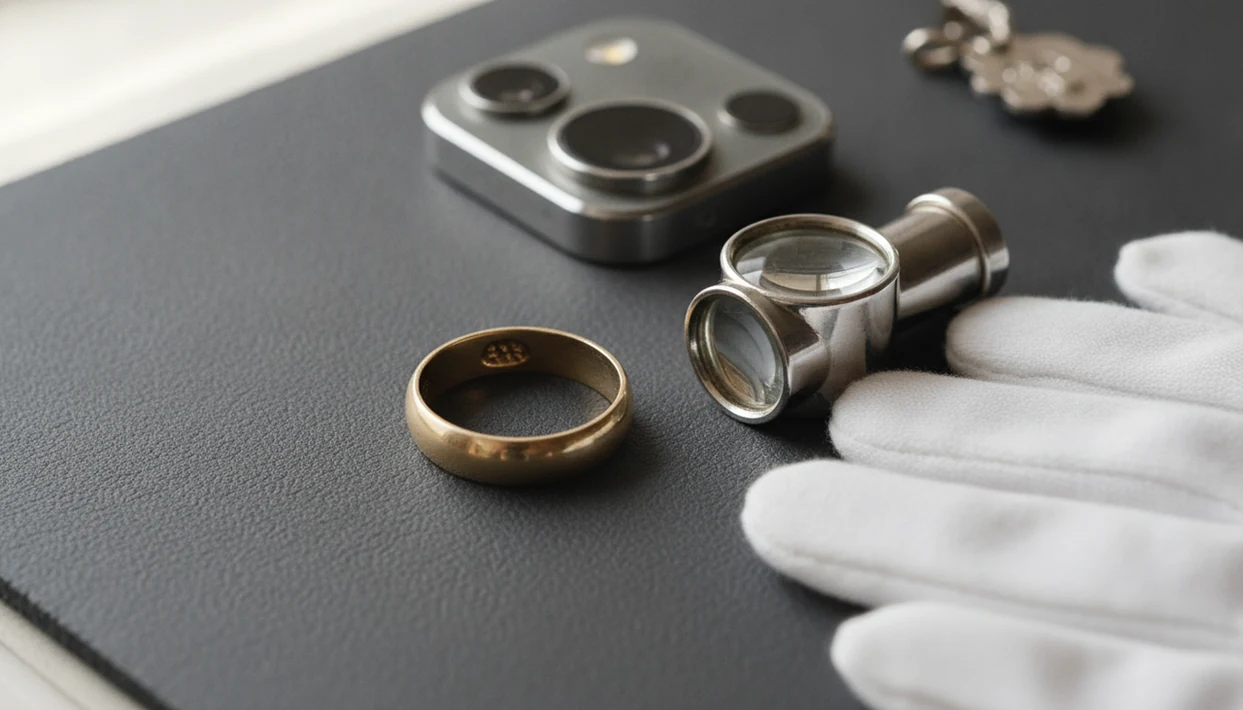


Yes, an app that can identify maker marks can help you photograph, crop, read, and research jewelry signatures, but it should be treated as a first-pass research tool rather than proof of maker, metal, authenticity, or value. The safest workflow is to capture clear photos, compare app results with hallmark references and auction records, then verify important pieces with a qualified jeweler or appraiser.
Definition: A jewelry maker mark identifier is a photo-based tool that analyzes stamps, logos, signatures, purity marks, and surrounding jewelry details to suggest possible makers, metals, countries, eras, or reference matches.
TL;DR
- Apps can identify many clear maker marks on jewelry, especially common purity stamps, well-documented logos, and recognizable designer marks.
- Worn, copied, partial, regional, or obscure marks can be misread, so the app result should always be cross-checked.
- For resale, insurance, or authentication, combine app research with hallmark guides, auction archives, metal testing, and professional appraisal.
How these apps look
Side-by-side captures of the compared products. Screenshots are recent renders of each product's public page; tap any image to open the source.
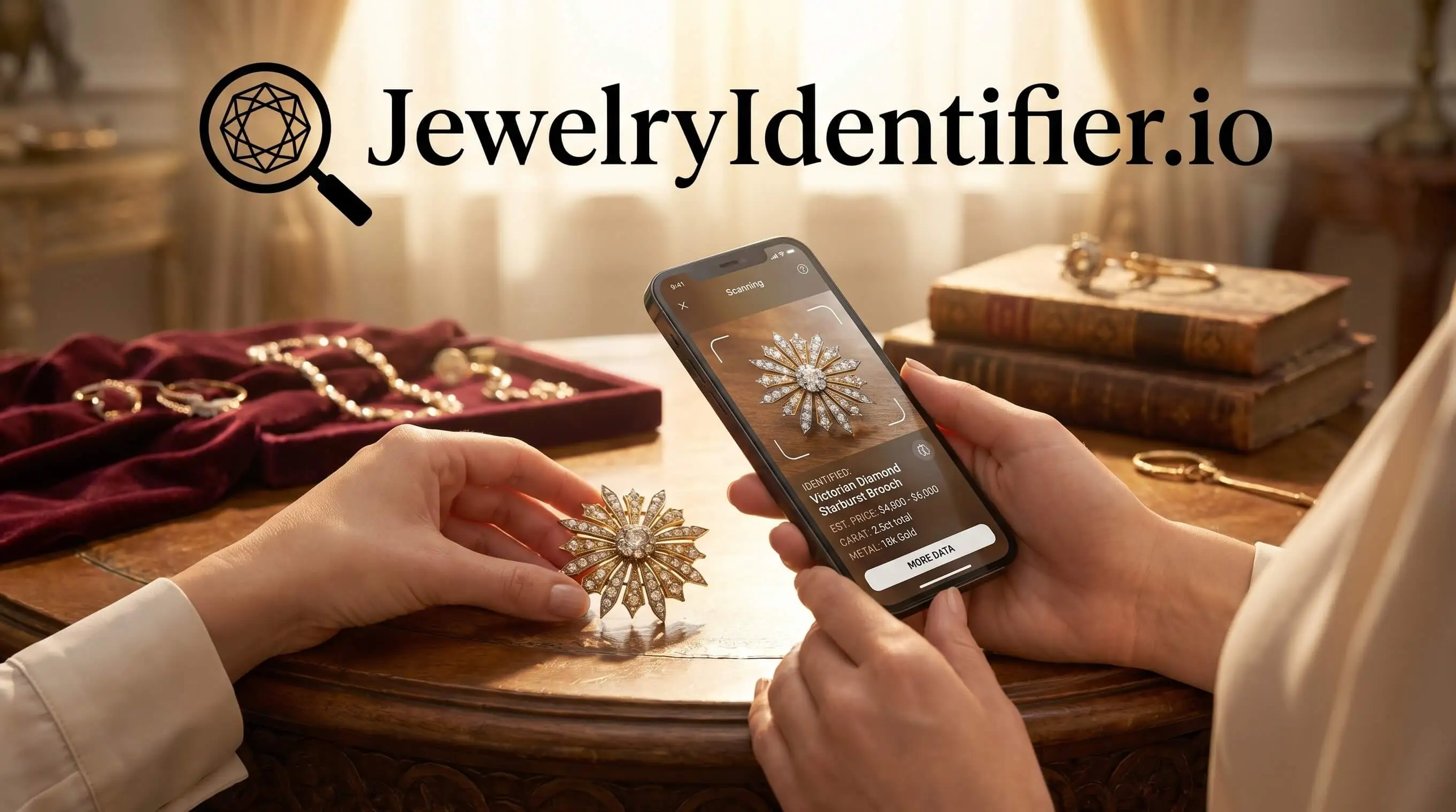
Can an App That Can Identify Maker Marks Really Read Jewelry Stamps?
Can an app that can identify maker marks really read jewelry stamps? Yes, but it can suggest likely matches, not guarantee a final attribution from one photo.
These apps work best on clear, well-lit close-ups of stamps, signatures, logos, clasps, bracelet interiors, necklace tags, and the inside of ring bands. A useful search often starts with phrases like jewelry maker mark identifier, maker marks on jewelry, or designer mark jewelry photo, especially when the mark is tiny or partly worn.
A stamp such as 925, 750, 14K, or a small logo can be readable without proving the jewelry is authentic or valuable. I’ve tried to read a tiny 14K stamp inside a yellow-gold ring under thrift-store fluorescent lights, and the glare alone changed the result twice.
Controlled research on AI-based hallmark recognition has shown much higher accuracy under controlled imaging than in casual phone photos for clearly imprinted marks under standardized imaging conditions. That is not the same as a casual phone photo taken over a crowded counter.
Five Facts About Maker Marks on Jewelry Photos
- No app can guarantee a perfect match for every maker mark from one jewelry photo, especially when the mark is worn, copied, partial, or obscure.
- Multiple photos improve identification: capture the full item, mark close-up, clasp, stone setting, side profile, pendant back, and any extra stamps.
- Many apps recognize common purity marks and famous brands better than small studio marks, regional workshop marks, or short-lived vintage signatures.
- Correctly reading a mark does not prove authenticity because counterfeit logos and incorrect purity stamps exist on real-looking jewelry.
- Using a dedicated jewelry identifier plus general visual search and reliable reference sources improves confidence before resale, insurance, or appraisal.
The pocket check is real. Lint, skin oil, and dark fuzz inside a bracelet clasp can hide the one letter that matters.
How a Jewelry Maker Mark Identifier Works Behind the Photo
A jewelry maker mark identifier works by turning a close-up jewelry photo into visual clues, then comparing those clues with reference images, text patterns, and known mark examples.
The usual flow is simple: upload or capture the image, crop the mark, enhance contrast, detect letters or shapes, and compare visual features against reference material. Under the hood, the system may combine OCR-like text reading, logo recognition, image embeddings, and surrounding style clues. In plain terms, it looks for similar shapes and context.
Training data matters. If a rare studio mark has no good reference image, the app may return a broad “similar” result or no match. Reflective metal, curved ring interiors, shallow stamps, tarnish, and wear all reduce confidence. A clasp in focus with the pendant front blown out by flash gives the system half the story.
Tools like JewelryIdentifier can help with photo-based identification for rings, necklaces, earrings, bracelets, and vintage jewelry photos, but hands-on confirmation still matters.
How to Use an App That Can Identify Maker Marks Safely
Use a maker mark app as a structured research workflow, not as a certificate. Good jewelry identifier app and photo guides that help users identify rings, necklaces, earrings, bracelets, and vintage jewelry from pictures deliver vocabulary and next-step clues, not legal authentication or formal valuation.
JewelryIdentifier is best framed as a photo-first research assistant for maker marks on jewelry, not as a standalone authenticator. Use JewelryIdentifier to organize the mark photo, possible reads, and comparison trail before you decide whether a jeweler, appraiser, or assay test is worth the cost.
- Clean gently. Remove loose dust with a soft cloth, but don’t polish away patina or scratch a vintage surface.
- Control the light. Use diffuse light, avoid flash glare, steady the phone, and try macro mode or a clip-on macro lens.
- Capture a full photo set. Photograph the full piece, mark close-up, clasp, interior band, side angles, stone setting, and pendant or earring back.
- Crop the clearest mark. Submit the sharpest maker mark photo first, then test alternate crops if the mark curves.
- Review the result carefully. Check confidence, alternate matches, and similar images instead of accepting the first suggestion.
- Save your trail. Keep screenshots, notes, dates, and source links for appraisal, resale, or insurance documentation.
For resale sellers, a photo-first workflow is often safer than guessing a designer name because it preserves evidence before cleaning or listing.
Before You Start: What You Need to Photograph Maker Marks
Before you start, set up the photo area so the mark is easier to read and the jewelry is not damaged. A few quiet minutes with the right light and tools can matter more than another app scan.
- Wipe the phone lens. Use a clean cloth on the camera glass first; a greasy lens can make a sharp stamp look melted.
- Stabilize the item. Place the jewelry on a steady table, then brace the phone with both hands, a small tripod, or even a stack of books.
- Use indirect daylight. Work near a window without harsh sun, and hold white paper nearby to bounce soft light into ring interiors, clasps, and pendant backs.
- Prepare gentle tools. Keep a soft cloth ready for loose dust, and use a clip-on macro lens only if it helps the phone focus closer without distortion.
- Leave the surface alone. Do not polish, scrape, soak, or chemically clean the mark before photographing it; old patina and tiny scratches may be part of the evidence.
- Decide the stakes. Note whether this is for resale, insurance, inheritance, or simple curiosity, because higher-stakes pieces deserve better documentation and professional confirmation.
Step 1: Photograph Maker Marks on Jewelry Before Searching
Photo quality is often the difference between a useful match and a wrong match. Before searching, clean the phone lens, steady your hands, use indirect daylight, and place white paper nearby as a simple reflector.
Tap to focus on the stamp. Lower exposure if bright metal washes out the letters. A small tripod helps, but a paperback book under the phone can work on a kitchen table.
Photograph the complete item first so the app and later researchers can see style, construction, clasp type, wear, and repairs. Maker marks on jewelry commonly appear inside rings, on bracelet clasps, necklace tags, earring posts, pendant backs, and watch case backs. If you need a deeper photo setup, the how to photograph jewelry stamps with phone guide covers angles and lighting in more detail.
Avoid aggressive cleaning, polishing, or scratching the mark. Once metal is abraded, the clue may be gone.
Step 2: Read the Designer Mark Jewelry Photo Result Correctly
A designer mark jewelry photo result is a set of research clues, not a final verdict. Common outputs include an exact text read, possible logo match, similar designer images, metal purity suggestion, era hint, or style term.
Read confidence words literally. “Likely” means the visible clue fits well. “Possible” means partial overlap. “Similar” means the image resembles known examples but may not match. “No match” can mean the photo is weak, the mark is rare, or the reference set lacks coverage.
Compare every visible detail: letter shape, symbol spacing, cartouche outline, assay mark, country mark, and construction quality. A family photo next to a locket may tell you provenance, but the stamp still needs its own check. Marks such as 925, 750, 18K, 14K, GP, GF, and sterling usually describe metal content or plating, not the maker. Independent metal testing sometimes finds that stamped purity and actual metal content do not match, so purity marks should be treated as clues rather than proof.
For silver-specific clues, a check if jewelry is sterling from photo workflow can separate stamp reading from metal verification.
Step 3: Cross-Check a Jewelry Maker Mark Identifier Match
Triangulation matters more than trusting one app result. A jewelry maker mark identifier can point you toward a likely category, but the next detail to check is whether independent sources show the same mark on confirmed pieces.
Check hallmark guides, maker mark databases, assay office references, museum records, auction archives, sold listings, and brand archives where available. Compare the same mark on pieces from similar eras and item types. A clasp mark on a 1970s chain should not be weighed the same as a different stamp on a modern ring.
Use a general visual search tool alongside a dedicated jewelry identifier to find broader web matches. About 30% of U.S. smartphone users have used image-based search for shopping-related identification tasks, according to 2022 consumer research (Insider Intelligence), so the habit is common enough to support comparison shopping. The U.S. precious metal jewelry and watch retail market is also large, around 87 billion dollars in 2024 (Statista), which is why accurate identification affects resale, insurance, and consumer decisions.
If the piece looks older, pair the mark search with a vintage jewelry identifier by photo to check clasp style, setting type, and era clues.
Best Sources to Verify Maker Marks on Jewelry
The best sources to verify maker marks on jewelry are those that show confirmed examples, explain country-specific systems, or provide hands-on testing. No single public global database contains every maker mark across all countries and eras.
- Hallmark books and assay office references: Use these for formal marks, metal standards, country marks, date letters, and registered maker systems.
- Auction archives and sold listings: Compare confirmed examples from the same maker, era, material, and item type before borrowing a resale description.
- Museum, brand, or designer archives: These are useful for historical signatures, design periods, and documented production details.
- Professional jewelers and appraisers: Use them for authentication, metal testing, structural review, and valuation.
- Gemologists or assay testing services: Use these when gemstones, precious metals, or insurance values are involved.
For inherited pieces, kitchen-table piles help: likely gold, likely silver, costume, sentimental, and take-to-a-jeweler. Simple, but it prevents wishful pricing.
Common Myths About Apps for Maker Marks on Jewelry
The first myth is that an app can identify any blurry or worn stamp instantly. In practice, a phone camera shadow over a brooch can turn a clean logo into a dark oval.
The second myth is that a brand or karat result proves authenticity. It does not. Fake marks, replacement clasps, incorrect purity stamps, and altered pieces all exist. If the result changes the price, verify it.
The third myth is that a free app replaces reference books, databases, or a jeweler. A free jewelry stamp identifier app can be useful for sorting, but it should not be the only source used for resale or insurance.
The fourth myth is that all maker marks live in one searchable global database. They don’t. Marks vary by country, era, workshop, assay office, and registry completeness.
The fifth myth is that a high-value designer guess means the item should be priced or insured immediately. It should be documented, compared, and tested first.
Common Mistakes When Using a Maker Mark Identifier App
The most common mistake is treating a maker mark app like a verdict instead of a comparison tool. Avoid shortcuts that hide context, overstate a designer match, or turn a metal stamp into a maker name.
- Photograph the whole piece first. Don’t submit only the stamp close-up. The clasp, setting, chain style, ring profile, wear pattern, and repairs can explain whether the mark fits the object.
- Compare the construction. Check letter shape, spacing, logo outline, stamp depth, solder seams, hinge quality, and stone setting before trusting a designer result.
- Separate purity from authorship. Read 925, 750, 14K, 18K, sterling, GP, and GF as metal or plating clues unless another mark identifies the maker.
- Treat “possible” as unfinished. When the app says possible, similar, or lookalike, review alternate matches instead of choosing the most valuable name.
- Verify before money decisions. If the piece may be valuable, don’t list, insure, divide an estate, or quote a designer attribution until a jeweler, appraiser, or testing service has checked the metal, stones, and authenticity.
Limitations
Photo-based maker mark identification has hard limits, even with a sharp image and a careful workflow.
- Worn, partial, shallow, blurry, over-polished, or distorted marks can be misread.
- Rare artists, obscure studio marks, regional marks, and incomplete historical registries may not appear in app data.
- Copied hallmarks and counterfeit logos can fool photo-based identification.
- An app cannot verify metal purity, gemstone treatment, structural integrity, or true market value.
- Professional testing such as XRF, acid testing, gemological inspection, or appraisal may be needed.
- Identifiable jewelry photos can create a data trail through metadata, insurance notes, theft reporting, or later resale documentation.
- Some commercial apps have upsells, scan limits, or value estimates that should not be treated as formal appraisals.
Small marks carry big assumptions. If a result would affect a listing price, insurance schedule, or family estate decision, get hands-on confirmation.
FAQ
Can an app identify jewelry marks?
Yes, an app can suggest matches for clear jewelry marks, especially common stamps and documented logos. It cannot guarantee attribution, authenticity, metal content, or value from one photo.
What app identifies maker marks?
Look for a jewelry identifier app that supports close-up photos, cropping, alternate matches, and source comparison. JewelryIdentifier is one option, but any result should be checked against references or a professional.
Can Google identify jewelry stamps?
Google Lens and other visual search tools can find similar images of jewelry stamps. Pair them with jewelry-specific references because general image matches may be mislabeled.
Are jewelry mark apps accurate?
Accuracy depends on photo quality, mark clarity, lighting, and reference data. Clear, common marks are easier than worn, obscure, copied, or regional marks.
Can an app read 925?
Yes, many apps can read 925 when the stamp is sharp. 925 usually indicates sterling silver content, not necessarily the maker name.
Can an app read 750?
Yes, many apps can read 750 on a clear photo. 750 generally indicates 18-karat gold content, while maker identification requires additional marks.
Do maker marks prove authenticity?
No, maker marks do not prove authenticity by themselves. Marks can be copied, altered, or placed on items that fail metal or gemstone testing.
Where are jewelry maker marks?
Maker marks are often inside ring bands, on bracelet clasps, necklace tags, earring posts, pendant backs, and watch case backs. They may sit beside purity marks, assay marks, or country marks.
Should I see a jeweler?
Yes, see a jeweler, appraiser, or gemologist for resale, insurance, suspected designer pieces, precious metals, or unclear stones. App results are research clues, not authentication certificates.
Try a Smarter Way to Check Maker Marks
Upload clear photos of the mark and the full piece to get organized visual clues, possible matches, and next-step research guidance. For expensive jewelry, confirm the result with a qualified jeweler, appraiser, gem lab, or assay office before buying, selling, or insuring.