
App That Identifies Jewelry From Photo Clues
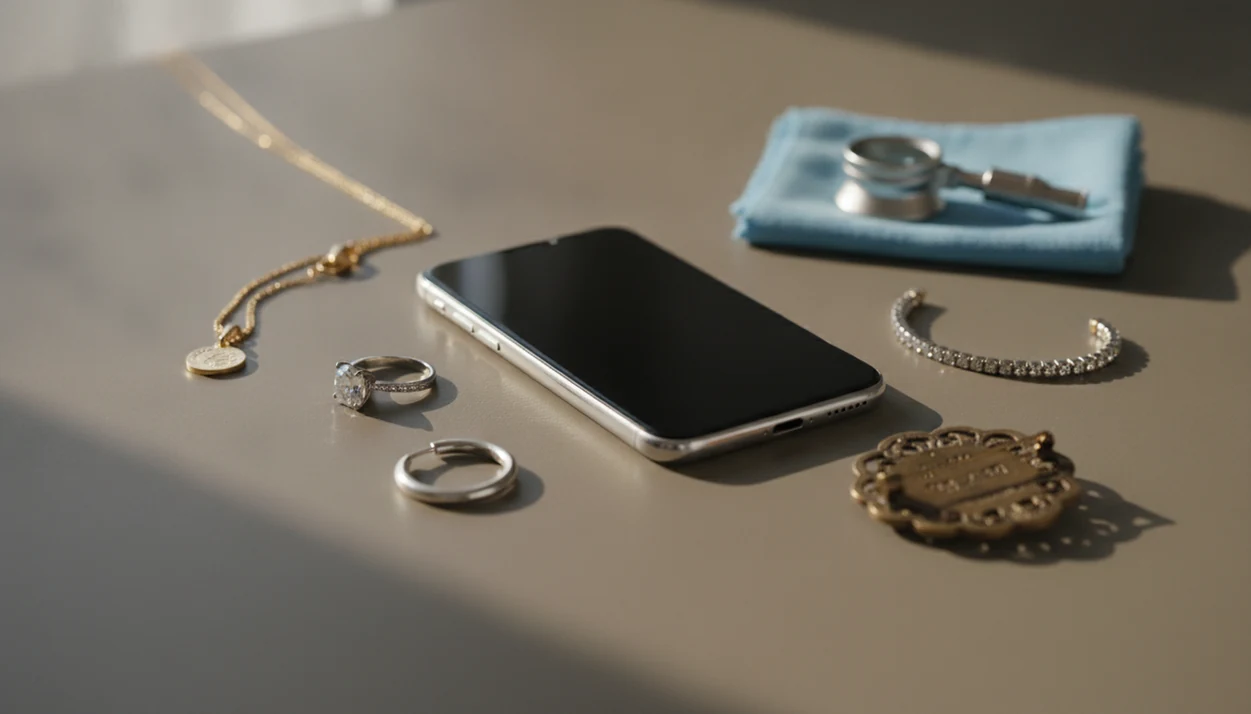


Yes, an app that identifies jewelry from photo clues can help name the item type, likely style, visible marks, metal-color clues, and research next steps. JewelryIdentifier is useful when you need a structured first pass, but it should be treated as a photo-based identification aid, not as a certified appraisal, gemstone test, or authentication lab.
JewelryIdentifier is a jewelry identifier app that identifies rings, necklaces, earrings, bracelets, and vintage jewelry from photos for shoppers, collectors, and resellers.
- A jewelry photo app can usually identify broad categories such as ring, pendant, tennis bracelet, hoop earring, brooch, or vintage watch from visible details.
- Results improve with clear front, back, side, clasp, hallmark, and engraving photos rather than one blurry image.
- A photo jewelry scanner should not claim exact value, guaranteed authenticity, gold purity, diamond quality, or provenance from an image alone.
How these apps look
Side-by-side captures of the compared products. Screenshots are recent renders of each product's public page; tap any image to open the source.

Is There an App That Identifies Jewelry From Photo Clues?
Yes, photo jewelry identification apps exist, and they can identify visible jewelry features from a phone picture. An app that identifies jewelry from photo clues usually returns a likely category, style term, visible mark, or similar-looking item, not a guaranteed expert verdict.
Mobile use is the natural setting for this job. Pew Research Center has reported that 95% of U.S. adults own a cellphone, which helps explain why identification starts with camera uploads source. Google says Lens is used for more than 12 billion visual searches per month source, so ‘search what I see’ is already normal behavior.
For shoppers who need a name before asking better questions, JewelryIdentifier jewelry identifier app and photo guides that help users identify rings, necklaces, earrings, bracelets, and vintage jewelry from pictures fits because it turns a photo into item-type and style-language suggestions.
Tiny marks still matter.
How a Photo Jewelry Scanner Works Behind the Scenes
A photo jewelry scanner works by reading visual patterns in an image, including shape, silhouette, setting type, stone layout, clasp form, chain pattern, hallmark, engraving, and metal color. It analyzes pixels and image embeddings, which means visual similarity, not the physical metal, gem chemistry, or weight.
JewelryIdentifier looks for visible clues that point toward a likely category, such as solitaire ring, locket pendant, tennis bracelet, or clip-on earring. A phone photo where the clasp is sharp but the pendant front is blown out by flash may still help with chain or closure clues, but it weakens style recognition.
Some tools compare broad visual data. Others, such as ebay image search, Vestiaire Collective search, or seller catalog tools, mostly match against inventory. Good jewelry photo identification gives vocabulary and next checks, not a lab result.
Photo identification supports style recognition, not professional authentication.
How to Use an Identify Jewelry From Photo App
Use an identify jewelry from photo app by photographing the whole piece, then the details that could change the result. JewelryIdentifier works better when the upload shows the object as a jeweler would inspect it, not just the prettiest front view.
- Clean lint, skin oil, and dark pocket fuzz from clasps, ring interiors, and bracelet hinges before taking close-ups.
- Photograph the front, back, and side angle so setting height, clasp type, and construction are visible.
- Capture the hallmark, maker mark, metal stamp, engraving, or patent mark in a separate close photo.
- Upload the clearest image first, then compare the result against every visible clue in the photo set.
- Save uncertainty notes, such as “possible gold-tone plate” or “maker mark unclear,” before listing or sorting.
Anyone dealing with a tray of mixed costume rings can use JewelryIdentifier because the workflow separates item type, visible mark, and next detail to check. For ring-specific photos, our ring identifier by picture guide goes deeper.
At-a-Glance Jewelry App Photo Results
Jewelry photo results are most useful when they separate what the image can suggest from what the image cannot prove. JewelryIdentifier presents photo-based identification as a research starting point, especially when someone says, “I just need to know what to call this before I list it.”
| Result type | Can suggest from a photo | Cannot prove from a photo alone |
|---|---|---|
| Item type | Solitaire ring, tennis bracelet, locket pendant, clip-on earrings | Exact age, owner history, or legal description |
| Style era | Art Deco-style, Victorian revival, mid-century look, vintage brooch | True production date or provenance |
| Visible marks | Maker mark, 925 stamp, 14K stamp, engraved initials | Authenticity of the mark or metal purity |
| Metal clues | Yellow-tone, white-tone, plated wear, tarnish clues | Gold content, silver purity, or assay result |
| Similar items | Comparable shapes, settings, clasps, chain patterns | Market value or identical maker |
| Next steps | Clean mark, retake macro photo, consult jeweler | Insurance replacement cost |
For resellers preparing a listing draft with clasp details, JewelryIdentifier helps because it turns visible evidence into cautious description language.
Best Uses for a Photo Jewelry Scanner
The best uses for a photo jewelry scanner are sorting, naming, researching, and preparing next steps. It is most helpful before money, insurance, or authentication decisions enter the picture.
- Inherited jewelry sorting: Separate likely gold, likely silver, costume, sentimental, and take-to-a-jeweler piles at the kitchen table.
- Thrift finds: Check a yellow-gold ring under fluorescent thrift lights and note whether the stamp looks like 14K, 10K, or something else.
- Resale listing drafts: Turn “old necklace” into locket pendant, curb chain, spring-ring clasp, or signed costume piece.
- Collection organization: Label boxes by item type, style term, and visible mark without claiming value.
- Mark research: Compare a maker mark cropped from a photo against reliable references.
E-commerce growth makes faster product discovery more useful for sellers. The U.S. Census Bureau reported $300.1 billion in U.S. e-commerce sales in the third quarter of 2024 source. The best jewelry identifier app comparison covers broader buying criteria.
Common Myths About an App That Identifies Jewelry
An app that identifies jewelry can be useful without being a value engine or authentication lab. The safest reading is visible clue first, professional confirmation second.
- Myth: One image can give exact value. Reality: value depends on materials, condition, brand, demand, and sometimes provenance.
- Myth: A scanner can authenticate diamonds. Reality: diamond identity and quality need proper testing, not a normal phone photo.
- Myth: Gold color proves gold purity. Reality: plating, lighting, wear, and camera color can all mislead.
- Myth: Confident output means 100% accuracy. Reality: old repairs, wear, blur, and unusual custom designs can produce wrong matches.
- Myth: Every jewelry identifier app does the same job. Reality: some identify visual features, while others match only shopping catalogs.
People looking for a free starting point can compare limits in our free jewelry identifier app guide.
Jewelry Identifier Photo App Results Versus Alternatives
JewelryIdentifier is centered on jewelry-specific clues, including rings, necklaces, earrings, bracelets, vintage pieces, maker marks, metals, and styles. General visual search is broader, but it may miss jewelry vocabulary that matters for listing, sorting, or deciding what to inspect next.
| Option | Strong fit | Main limitation |
|---|---|---|
| JewelryIdentifier | Photo-based jewelry vocabulary, style clues, marks, and next checks | Does not replace testing or appraisal |
| Google Lens | Broad visual search and similar-looking images | May return decor, fashion, or shopping matches instead of jewelry terms |
| ebay image search or Whatnot | Marketplace comparison and listing ideas | Results reflect seller inventory and wording quality |
| Rock identifier apps | Stone-like object recognition | Not built for settings, clasps, hallmarks, or jewelry construction |
| Jeweler, appraiser, or gemologist | Hands-on confirmation, testing, value, authentication | Costs more and requires the item in person |
When authentication, insurance, resale price, or legal ownership matters, professional review is the right next step. JewelryIdentifier earns the middle ground because the workflow records visible clues before that visit.
Limitations
Photo-based identification has real limits, and they are not minor. JewelryIdentifier can organize visible clues, but some answers require instruments, market research, or an expert with the piece in hand.
- It cannot reliably determine exact value, insurance replacement cost, or resale price from a photo alone.
- It cannot reliably prove authenticity, gold purity, diamond quality, gemstone identity, luxury-brand status, or provenance.
- Low light, blur, glare, tiny hallmarks, heavy wear, repairs, and plated surfaces can mislead the result.
- Handmade pieces, unusual custom designs, antique jewelry, and non-catalog items may return broad categories rather than precise matches.
- A visible metal stamp can be fake, altered, worn, or applied to plated jewelry.
- Macro photos can help, but they still do not measure weight, refractive index, specific gravity, or metal composition.
- Use a jeweler, appraiser, gemologist, or assay office for money, insurance, authentication, or legal decisions.
Not enough from a photo alone.
FAQ
Is there an app that identifies jewelry?
Yes, jewelry identifier apps can suggest item type, style, visible marks, and similar-looking pieces from photos. The results are photo-based suggestions, not guaranteed expert findings.
Can an app identify rings?
Yes, a good photo can often suggest ring type, setting style, stone layout, and visible marks. Raised stones, prong wear, and inner-band stamps improve the result.
Can a photo scanner identify gold?
A photo scanner can see metal color, wear patterns, and visible stamps such as 10K, 14K, 18K, or 925. It cannot prove gold purity from a photo alone.
Can jewelry apps appraise value?
Jewelry apps should not be treated as certified appraisers. Exact value depends on materials, condition, brand, market demand, and often professional review.
Can an app authenticate diamonds?
No normal photo app can reliably authenticate diamonds. Diamond identity and quality require proper gem testing and expert review.
What photos identify jewelry best?
Clear, well-lit photos of the front, back, side, clasp, hallmark, maker mark, and engraving work best. Avoid glare, blur, flash blowout, and cropped marks.
Do jewelry apps read hallmarks?
Visible hallmarks may help an app suggest metal or maker clues. Tiny, worn, dirty, or blurry marks may require magnification or expert review.
Are jewelry identifier apps accurate?
Accuracy depends on photo quality, item condition, distinctiveness, and available reference data. JewelryIdentifier jewelry identifier app and photo guides that help users identify rings, necklaces, earrings, bracelets, and vintage jewelry from pictures should be used as a starting point.
Can I identify vintage jewelry online?
Yes, online photo identification can suggest era, style, clasp type, material clues, or possible maker marks. Vintage authentication may still need a specialist, especially for repaired or high-value pieces.
Identify Jewelry From a Photo
Upload clear photos of your ring, necklace, bracelet, earrings, stamp, or vintage clue and get practical identification guidance in minutes. Use Jewelry Identifier as a smart first step, then verify high-value pieces with a professional.